
INMATE SEARCH AND JAIL RELEASE IN TRAVIS COUNTY
Find Someone in Travis County Jail.
Jail Release Help, 24 Hours a Day
Locate your loved one, learn about their bond,
and speak with an attorney about what comes next.
Serving Austin & Del Valle · Help around the clock
Get help with the next step.
Keep their full name and date of birth handy when you call. We can search for them and explain the available release options.
Find an Inmate
For help finding someone held in Travis County Jail, call:
Let us help your friend or family member work toward release from Travis County Jail and a safe return home.
The jail release process.
The charges, the court’s decisions and the jail’s processing schedule all affect when someone can be released.
1. Call (512) 829-3081 and share the person’s identifying information.
2. We find where they are being held and help arrange the steps needed for release.
3. Once release is approved and processed, they can leave jail and return home.
Fees for Jail Release
We charge a flat fee for jail release services. The fee depends on whether the case involves a misdemeanor or a felony.
Find Out the Bail or Bond Amount
Call (512) 829-3081 to learn what bail or bond amount has been set.
Speak With Us
You can contact us at any hour, without a charge for the initial inquiry. Use the form below or call (512) 829-3081.

Jail Locations
Travis County Jail (The Central Booking Facility)
500 W. 10th St.
Austin, TX 78701
Travis County Correctional Complex
3614 Bill Price Rd.
Del Valle, TX 78617
Request Legal Help
Have questions about someone in jail? Send the form below or call (512) 829-3081. You can reach us 24 hours a day, with no charge for the initial inquiry.
Phone
Address
The Law Office of Ken Gibson
812 San Antonio St #100
Austin, TX 78701
An arrest in Travis County can leave your family looking for immediate answers. When could your loved one come home? What are they accused of? How much might release cost?
Start by checking the Travis County inmate records. These records can help identify where someone is held, the charges listed and any bond amount that has been set. Call our 24-hour line at (512) 829-3081 to speak with an attorney who can help look up that information.
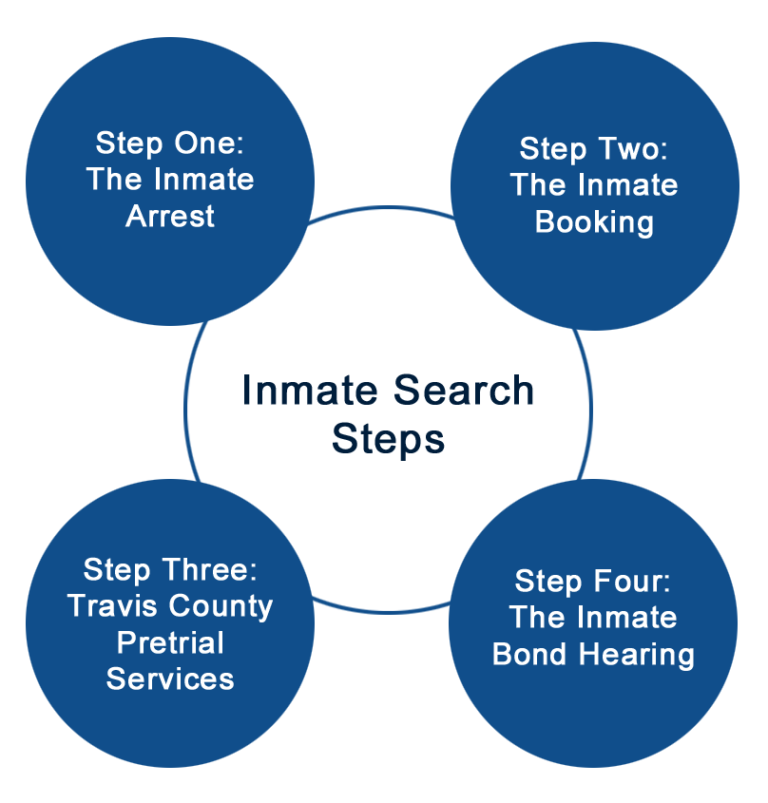
Here is how the arrest and release process generally unfolds:
Step One: Arrest
An arrest places a person in police custody and can happen before they reach the jail. Officers may take custody through physical restraint, handcuffs or placement in a locked police vehicle.
- Physical restraint
- Handcuffs
- Placement in the locked rear of a police car or another police vehicle
These circumstances can indicate custody, although a temporary detention is not necessarily an arrest. The legal distinction depends on what happened.
Step Two: Booking at the Jail
After an arrest, booking may take place at the Travis County Jail in Austin or the Travis County Correctional Complex in Del Valle. During intake, staff take possession of personal belongings and collect identifying information, which may include:
- Fingerprints
- A booking photograph
- Distinctive marks
- Other names or known aliases
- Criminal history
- Social Security number
- Race, height and weight
The alleged offense and the person’s history are relevant to the court’s bond decision. Booking gathers information for that process; release eligibility and conditions are determined by the court.
Step Three: Pretrial Services Review
Travis County Pretrial Services interviews people in custody and gathers information to help the court evaluate release. The review may address:
- Drug or alcohol history
- Local and national criminal records
- Employment
- Current residence
- Personal references
Pretrial Services sends its recommendation on personal bond and possible release conditions to the court. A judge or magistrate makes the release decision.
Step Four: The Bond Hearing
A judge or magistrate considers the information supporting the arrest, including the officer’s sworn statement. When an arrest follows a warrant, a judge will generally have reviewed the supporting information before issuing it. The probable-cause review asks whether the facts reasonably support a belief that:
- An offense occurred
- The person arrested committed that offense
The court evaluates that information rather than simply accepting the officer’s conclusion. A finding that probable cause is lacking can affect whether continued detention is lawful. The court also addresses bail and release conditions, considering the charge and other legally required factors.
How Does the Court Set Bond?
Judges must follow Texas bail law when setting an amount. The alleged offense and its circumstances matter, along with factors such as the person’s ability to make bail and safety concerns. Bond amounts vary from case to case; there is no general $10,000 ceiling for misdemeanor bonds.
Texas divides criminal offenses into misdemeanors and felonies. The ordinary punishment ranges below describe possible penalties after conviction, rather than the bond needed for release.
- Class C misdemeanor: a fine of up to $500, with no jail sentence under the ordinary punishment range.
- Class B misdemeanor: up to 180 days in county jail, a fine of up to $2,000, or both.
- Class A misdemeanor: up to one year in county jail, a fine of up to $4,000, or both.
Felony convictions carry more serious consequences and can affect a person’s criminal record. Texas has five felony classifications:
- State jail felony: ordinarily 180 days to two years in a state jail, with a possible fine of up to $10,000.
- Third-degree felony: ordinarily two to ten years in prison, with a possible fine of up to $10,000.
- Second-degree felony: ordinarily two to twenty years in prison, with a possible fine of up to $10,000.
- First-degree felony: ordinarily five to ninety-nine years or life in prison, with a possible fine of up to $10,000.
- Capital felony: may carry the death penalty or life imprisonment. Life without parole applies in specified circumstances, including adult offenders when the death penalty is not sought.
These are general statutory ranges. Special rules, enhancements and sentencing alternatives can affect an individual case.
Find Someone in Travis County Inmate Records
Checking the county’s public inmate records can help you determine whether your loved one is held in Austin or Del Valle and begin evaluating release options. Texas public-information law governs access to local government records; the federal Freedom of Information Act does not apply to county agencies.
Call our attorney line at (512) 829-3081, available 24 hours a day. We can help locate the person in custody, review the release options and prepare the paperwork required for the option that applies.
An attorney can help you understand the process and protect the detained person’s legal rights. Ken Gibson and his team assist with jail release and criminal defense, including evaluating whether the evidence supports seeking reduced charges or dismissal. Release and case outcomes depend on the facts and the court’s decisions.
Common Questions About Travis County Jail
How Long Does Jail Release Take?
The charge and the number of people going through booking can affect the wait. Court decisions and jail processing also influence the timing, whether the arrest occurs during the day or at night.
What Are Bail and Bond?
Bail provides security for a defendant’s required court appearances while the case is pending. A judge or magistrate sets the applicable amount and release conditions. The bond is the undertaking used to obtain release, and its requirements depend on the type approved.
These terms can help you understand the release options:
Personal bond: The court may allow release based on the defendant’s promise to appear and comply with its conditions, without requiring the full bond amount to be deposited. Pretrial Services investigates eligibility and makes a recommendation; the court decides. An attorney can help evaluate this option.
Personal recognizance or PR bond: This term generally refers to a personal bond, rather than a separate fallback after a personal bond is denied. The defendant must appear when required, provide the necessary information and follow the release conditions. Processing fees may still apply.
Cash bond: The full court-set amount is deposited with the Travis County Sheriff’s Office. The office accepts exact cash, a cashier’s check or a money order. When the defendant attends the required court appearances and the case concludes, a court refund order governs the return of the deposit through the appropriate clerk.
Cash deposit bond with an attorney: Travis County recognizes personal bonds with a cash deposit. Ask the attorney whether this option is available in the particular case and what the court requires. The deposit amount and payment procedure must be confirmed before funds are paid.
Which Payment Methods Do You Accept?
Ken Gibson and his team offer flat-fee services, with payment by credit card or smartphone payment app. Contact us to confirm the fee for your case and the available payment options.
Our Location
The Law Office of Ken Gibson
812 San Antonio St #100
Austin, TX 78701
Contact Us
Phone: (512) 829-3081
Copyright © 2026 The Law Office of Ken Gibson. All Rights Reserved.